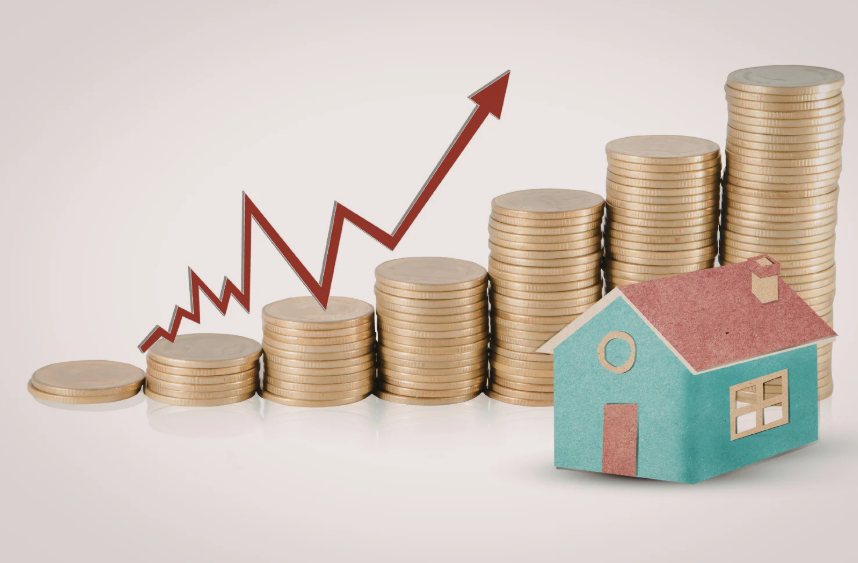

The approach of building assets while paying down debt requires discipline and planning. It allows people to make progress on both sides of their financial lives rather than postponing one for the other.
Many people assume they must eliminate all debt before building wealth. While reducing debt is an important financial goal, waiting until every balance is gone can delay years of potential investment growth. In reality, many individuals successfully build assets while gradually paying down their debt.
The key lies in balancing two financial priorities simultaneously. Instead of viewing debt repayment and investing as opposing goals, wealth builders often treat them as parallel strategies. By managing debt responsibly while consistently acquiring assets, individuals can improve their financial position more efficiently over time.
Understanding Productive vs. Costly Debt
Not all debt affects financial growth equally. Some forms of debt can be considered more manageable or even productive, while others create significant financial strain.
High-interest consumer debt, such as credit card balances, is usually the most damaging because the interest compounds quickly. In these situations, aggressively reducing the balance is often the top priority.
Other types of debt, such as student loans or mortgages, typically carry lower interest rates and may be structured over long repayment periods. While still important to manage responsibly, these debts may allow individuals to allocate some money toward investments at the same time.
Understanding the cost of each type of debt helps determine how to balance repayment with asset building.
Explore Why Budgeting Alone Doesn’t Build Wealth for a wider financial perspective.
Why Waiting Too Long Can Slow Wealth Growth
One of the biggest risks of delaying investing is lost time. Wealth building relies heavily on compounding interest, which works best over long periods.
If someone waits ten or fifteen years to begin investing because they are focused exclusively on eliminating debt, they may miss valuable years of potential growth. Even modest investments made during those years could have compounded significantly.
For this reason, some financial strategies encourage allocating a portion of income toward investing while still making steady progress on debt reduction. This ensures that time remains an ally in building long-term financial resources.
The goal is not to ignore debt, but to avoid indefinitely postponing asset creation.
See How Small Investments Can Grow Into Major Financial Resources for a long-term growth view.
Creating a Balanced Financial Strategy
A balanced strategy often starts with a clear financial structure. Individuals may divide their available money among several priorities: essential expenses, debt repayment, savings, and investments.
Some people follow structured allocation systems that dedicate specific percentages of income to each category. Others prioritize paying down the highest-interest debts first while continuing to make small contributions to investments.
Automated transfers can be especially helpful. Setting up automatic payments toward both debt and investments removes the need for constant decision-making and ensures steady progress in both areas.
This structure helps maintain momentum on multiple financial goals simultaneously.
Check Automation Strategies That Make Saving and Investing Easier for a useful system.
Building Assets That Generate Income
One effective approach to balancing debt and investing is focusing on assets that generate income. These investments may yield dividends, interest, or other recurring returns.
Dividend-paying stocks, bond funds, or income-generating real estate investments can gradually create additional cash flow. Over time, this income can even be redirected toward accelerating debt repayment.
In this way, assets begin contributing to the financial system itself. Instead of relying solely on earned income, individuals benefit from additional streams generated by their investments.
This dynamic illustrates how asset ownership can gradually strengthen overall financial stability.
Maintaining Discipline and Avoiding New Debt
Building assets while paying down debt requires careful discipline. Without clear financial habits, individuals may unintentionally accumulate new debt faster than they eliminate existing balances.
Successful wealth builders often maintain strict spending awareness while focusing on long-term goals. They avoid unnecessary borrowing and prioritize financial decisions that improve their overall position.
Tracking progress can also provide motivation. Watching debt balances decline while investment accounts grow reinforces the benefits of maintaining a balanced strategy.
Over time, this dual progress can transform a challenging financial situation into a steadily improving one.
Read The Difference Between Short-Term Money Wins and Long-Term Wealth for a broader view.
When Debt Reduction Accelerates
Eventually, a turning point arrives. As debt balances shrink and assets grow, the financial pressure created by debt becomes easier to manage.
Monthly payments begin decreasing as loans are paid off. At the same time, investments may begin to produce meaningful returns. When major debts are eliminated, the funds previously allocated to repayment can be redirected to increase investment contributions.
This transition often marks a powerful acceleration phase in wealth building. With fewer obligations and growing assets, individuals gain more flexibility and financial resilience.
Building assets while paying down debt may require patience and structure, but it allows individuals to move forward on multiple financial fronts. Rather than waiting for perfect circumstances, they steadily improve their financial position through consistent action and long-term thinking.